The challenge
What needed to change.
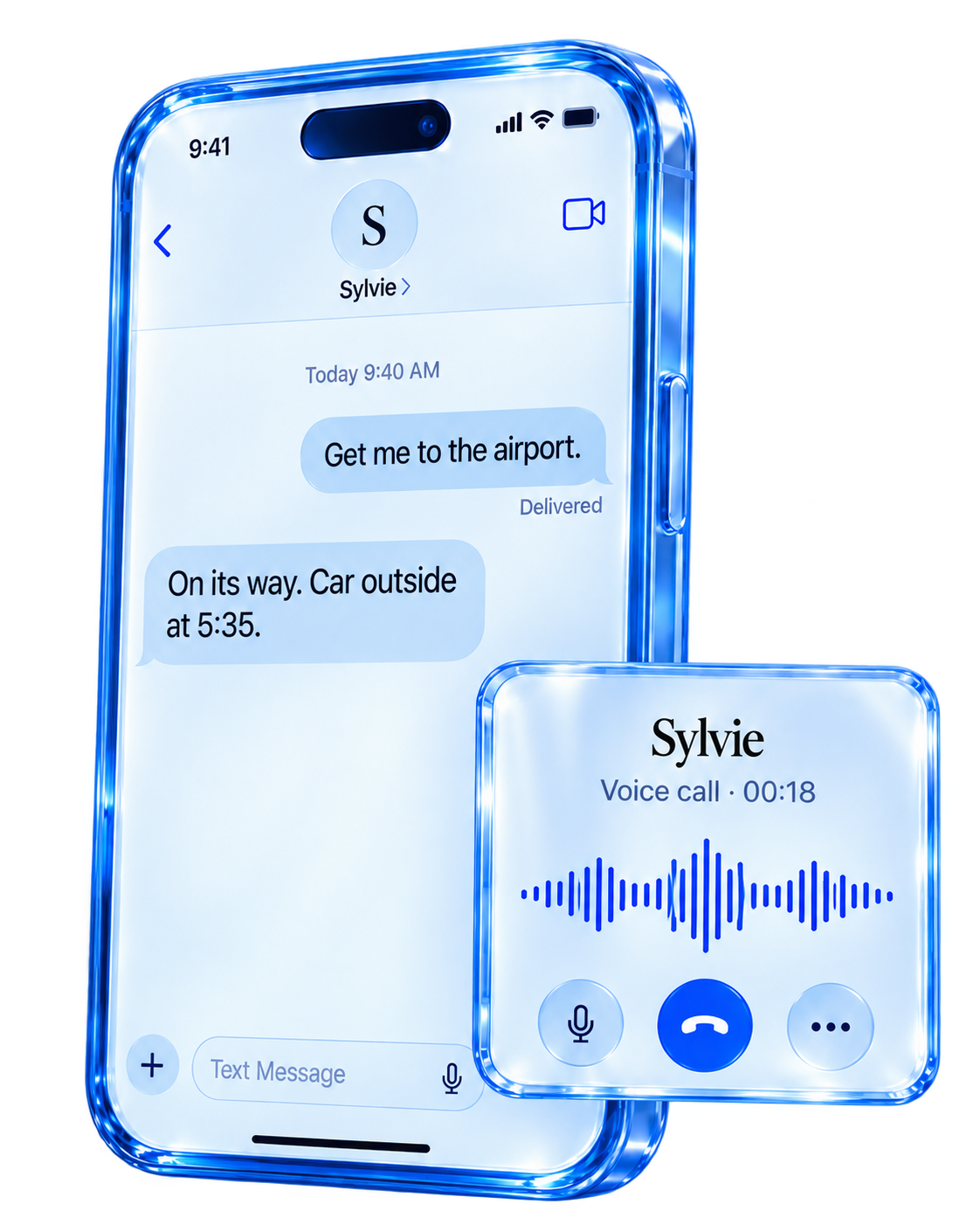
Manual prospecting and follow-up didn't scale, and replies waited too long before anyone triaged them or logged them in the CRM.
Prospecting by hand
Finding and researching each lead took hours every week.
Slow replies
Interested prospects waited while replies sat in the inbox.
A CRM that lags
Deals were only as current as whoever last updated them.
The engineering decision
Testing on real replies before sending at volume.
Cold email depends on sending domains keeping a good reputation, and new domains need weeks of warmup before they can carry volume. We ran the system in dry-run while the domains warmed: it read real inbound replies, classified them and drafted responses, but sent nothing on its own. That let us check the classifier and the replies against real conversations without risking deliverability. The cost was a slower start, which we accepted rather than burn new domains.
What VTS delivered
From decision to delivery.
Every step of outbound, from lead to booked meeting.
Lead sourcing
Prospects pulled and filtered from Apollo.
Personalized sequences
LLM-written emails tailored to each prospect.
Reply classifier
Every reply sorted by intent.
Inbox watcher and auto-responder
Draft and route responses according to reply intent and the configured level of human oversight.
CRM sync
Every touch logged in Attio.
Dashboard and booking
KPIs in one view, with meetings booked through Cal.com.
The product flow
- 01
Source
Filter prospects from Apollo.
- 02
Prepare
Personalize the sequence.
- 03
Classify
Read the reply and identify its intent.
- 04
Review
Draft a response or hand it to a person.
- 05
Record
Keep CRM and booking steps connected.
Project facts
Project facts
An internal VTS build. Dry-run evaluation was used to review real replies, classifications and proposed responses.
Working together
Built from within.
Designed and built in-house for VTS’s sales workflow.